Introduction
A salad bowl is more than just a dish; it’s a lifestyle choice that combines health, flavor, and creativity in one bowl. Whether you’re looking for a quick lunch, a nourishing dinner, or a vibrant dish for a gathering, the salad bowl offers endless possibilities. Featuring a combination of fresh greens, hearty proteins, and flavorful dressings, it’s a meal that can be customized to suit any palate or dietary preference.
Beyond its culinary appeal, the salad bowl also serves as a metaphor in sociology, symbolizing the beauty of diversity. Just as a salad blends different ingredients while preserving their unique characteristics, a salad bowl represents harmony in variety. In this article, we’ll explore the origins, cultural significance, and practical tips for creating the perfect salad bowl.
History & Cultural Significance
History & Origins
The concept of the salad bowl dates back to ancient civilizations where fresh greens and raw vegetables were staples in daily diets. Early references to salads can be traced to the Romans and Greeks, who combined leafy greens with vinegar and oil for a simple yet refreshing dish. The practice spread throughout Europe during the Middle Ages, evolving with the inclusion of proteins and grains.
The term “salad bowl” gained prominence in the United States during the late 20th century, both as a culinary concept and as a cultural metaphor. Unlike the “melting pot,” which suggests blending identities into one, the salad bowl metaphor celebrates the coexistence of individual identities. This idea resonates with the inclusivity of modern salad bowls, which incorporate diverse ingredients like quinoa, tofu, and international dressings. To learn more about salad history, check out this resource on the origins of salads.
Cultural Significance
Salad bowls hold cultural importance in both culinary and societal contexts. In many cuisines, they represent balance and health. For example:
- Mediterranean Cuisine: Known for its fresh ingredients, the Mediterranean diet includes salad bowls with olives, feta cheese, and vibrant herbs like oregano and basil.
- Asian Influence: Dishes like poke bowls and Buddha bowls, inspired by Asian flavors, are essentially modern salad bowls with a twist.
From a sociological perspective, the salad bowl metaphor highlights how diversity can create a cohesive yet varied whole. This idea is particularly significant in multicultural societies like the United States, where the “melting pot” concept has evolved into the more inclusive salad bowl.
Step-by-Step Recipe (Popular Section)
Kitchen Equipment
To make the perfect salad bowl, you’ll need the following tools:
- Large Salad Bowl: Essential for mixing and serving.
- Cutting Board and Sharp Knife: For prepping vegetables and proteins.
- Whisk or Jar: To emulsify dressings.
- Tongs or Salad Servers: For tossing the ingredients evenly.
Optional tools like a mandoline slicer can help you achieve uniformly cut vegetables, while a food processor is useful for making creamy dressings.
Ingredients List
Here’s what you’ll need for a hearty and satisfying salad bowl:
- 2 cups leafy greens (e.g., spinach, kale, or arugula)
- 1 cup cooked quinoa
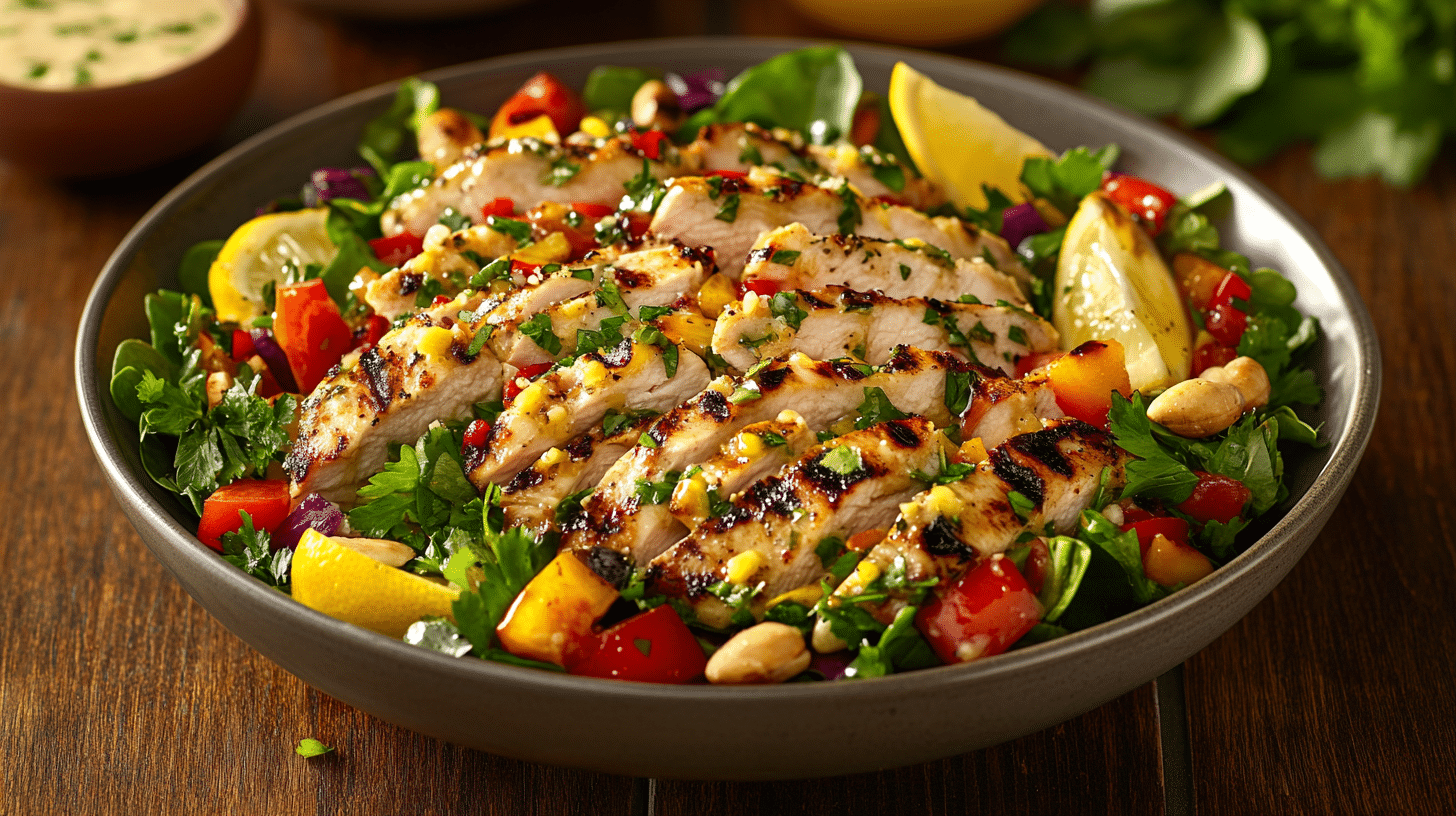
- 1 grilled chicken breast, sliced
- 1/2 cup cherry tomatoes, halved
- 1/4 cup red onion, thinly sliced
- 1/4 cup shredded carrots
- 1/2 avocado, diced
- 2 tbsp roasted sunflower seeds
- 1/4 cup feta cheese (optional)
Dressing:
- 2 tbsp tahini
- Juice of 1 lemon
- 1 tbsp olive oil
- 1 clove garlic, minced
- Salt and pepper to taste
These ingredients are flexible, allowing you to create a salad that fits your preferences or whatever’s in your pantry.
Ingredient Spotlight: Quinoa
Quinoa is a superstar ingredient in many salad bowls. Here’s why it deserves the spotlight:
- Nutritional Benefits: Rich in protein, fiber, and essential amino acids, quinoa is a complete protein that’s perfect for vegetarians and vegans.
- Versatility: Its mild, nutty flavor pairs well with a variety of ingredients, from fresh greens to hearty roasted vegetables.
- Easy Preparation: Quinoa cooks quickly and can be stored in the fridge for up to a week, making it ideal for meal prepping.
Additionally, for tips on cooking perfect quinoa, visit this guide to preparing grains.
Instructions
Here’s how to assemble your salad bowl:
- Prepare the Base
- Start by washing and drying your greens thoroughly. Place them in a large salad bowl as the base.
- Cook the Quinoa
- If you haven’t already, cook the quinoa according to package instructions. Allow it to cool before adding it to the salad.
- Grill the Chicken
- Season the chicken breast with salt, pepper, and a touch of olive oil. Grill it over medium heat until fully cooked, about 4–5 minutes per side. Slice into thin strips.
- Assemble the Salad
- Layer the greens with quinoa, grilled chicken, cherry tomatoes, red onion, carrots, avocado, and sunflower seeds.
- Make the Dressing
- Whisk together tahini, lemon juice, olive oil, minced garlic, salt, and pepper until smooth. Drizzle over the salad.
- Toss and Serve
- Use tongs to gently toss the salad, ensuring the dressing coats all the ingredients evenly. Serve immediately.
For variations or additional inspiration, visit this salad assembly guide.
Recipe Variations & Seasonal Adaptation
Recipe Variations
One of the best aspects of a salad bowl is its adaptability. Here are some variations to inspire your next creation:
- Grain-Based Bowl
- Swap quinoa for other grains like brown rice, farro, or barley. These add a chewy texture and earthy flavor.
- Use a sesame-ginger dressing for an Asian-inspired twist.
- Vegetarian Power Bowl
- Replace the chicken with plant-based proteins like roasted chickpeas, grilled tofu, or black beans.
- Add sweet potatoes or roasted beets for extra heartiness.
- Mediterranean Salad Bowl
- Include ingredients like olives, cucumbers, artichoke hearts, and tzatziki sauce.
- Swap the lemon-tahini dressing for a classic Greek vinaigrette.
- Mexican-Inspired Bowl
- Add grilled corn, black beans, diced bell peppers, and a dollop of guacamole.
- Top with a chipotle-lime dressing for a spicy kick.

Looking for a crisp and tangy side to pair with your salad bowl? Don’t miss this Copycat Chick‑Fil‑A Coleslaw Recipe—creamy, refreshing, and perfect for your next cookout or meal prep combo!
These variations allow you to enjoy a salad bowl in different ways, keeping your meals exciting and flavorful.
Seasonal Adaptations
Make your salad bowl a year-round favorite by incorporating seasonal ingredients:
- Spring: Include tender greens like spinach and add asparagus, radishes, and peas.
- Summer: Use ripe tomatoes, cucumbers, and fresh berries for a vibrant and juicy salad.
- Fall: Add roasted butternut squash, cranberries, and pumpkin seeds for a cozy, autumnal twist.
- Winter: Incorporate hearty ingredients like kale, roasted Brussels sprouts, and pomegranate seeds.
Thus, adapting your salad to the seasons ensures you’re using the freshest, most flavorful ingredients available.
Cooking & Time-Saving Tips
Cooking Tips
Preparing a salad bowl may seem simple, but these tips will ensure your dish is both delicious and visually appealing:
- Wash Your Greens Properly: Use a salad spinner to thoroughly clean and dry your greens. Excess water can dilute the flavor of your dressing.
- Layer for Texture: Combine crunchy ingredients like nuts and seeds with soft components like avocado or roasted vegetables to create a balanced bite.
- Don’t Overdress: Add your dressing gradually, tossing as you go, to avoid soggy greens.
By keeping these tips in mind, you’ll elevate your salad bowl from good to great.
Time-Saving Tips
Short on time? Here are some strategies to make your salad bowl prep quicker and more efficient:
- Pre-Cut Vegetables: Chop your vegetables in advance and store them in airtight containers. This reduces prep time during busy weekdays.
- Batch-Cook Proteins: Grill or bake multiple chicken breasts, tofu slices, or roasted chickpeas at once. Store them in the fridge to use throughout the week.
- Use Pre-Washed Greens: Many grocery stores sell pre-washed salad mixes, saving you the step of cleaning and drying greens.
With these time-saving tips, you can enjoy a fresh, healthy salad bowl even on your busiest days.
Nutrition Information & Health Benefits
A well-balanced salad bowl is more than a light lunch—it’s a nutrient-packed powerhouse that fuels your body while satisfying your cravings. This featured bowl checks all the boxes for a complete, healthy meal. Let’s break it down:
Estimated Nutrition Per Serving:
- Calories: ~400
- Protein: ~30g — from grilled chicken and quinoa
- Fiber: ~8g — from leafy greens, shredded carrots, tomatoes, and quinoa
- Healthy Fats: ~15g — mainly from avocado, tahini, and olive oil
- Micronutrients: High in vitamin C, potassium, and iron, with added benefits from leafy greens and vegetables
Why This Bowl Is a Health Boost
This isn’t just any salad—it’s designed with macronutrient balance in mind:
- Protein keeps you full longer, supports muscle repair, and stabilizes blood sugar.
- Fiber aids digestion and promotes gut health.
- Healthy fats like those in avocado and tahini help your body absorb fat-soluble vitamins (like A, D, E, and K).
- Complex carbs from quinoa provide slow-burning energy without spiking your blood sugar.
Eating this kind of bowl regularly can support:
- Weight management through satiety and nutrient density
- Energy levels by avoiding midday crashes
- Immunity and skin health, thanks to vitamin C and antioxidants
For those following specific diets, it’s easy to customize this bowl to be gluten-free, dairy-free, or even vegan.
Serving Suggestions & Food Pairing (Drinks & Flavors)
Serving Suggestions
Presentation matters, especially when serving a vibrant salad bowl. Here are some ideas to make your dish stand out:
- Layered Bowl: Arrange the ingredients in colorful sections before tossing, creating a visually appealing presentation.
- Family-Style: Serve all the components in separate bowls, allowing everyone to customize their salad.
- Meal Prep Containers: Pack individual portions in reusable containers for easy grab-and-go meals throughout the week.

A beautifully presented salad bowl is not only Instagram-worthy but also more inviting to eat.
Flavor Pairings
Pairing complementary flavors can take your salad bowl to the next level. Here are some suggestions:
- Herbs: Add fresh cilantro, dill, or parsley for an extra burst of flavor.
- Cheese: Crumbled feta, goat cheese, or Parmesan adds a creamy, salty contrast to fresh greens.
- Citrus: Squeeze fresh lemon, lime, or orange over the salad to brighten the flavors.
These pairings enhance the taste of your salad, making it even more satisfying.
Food Pairing with Drinks
The right drink can enhance the flavors of your salad bowl. Consider these options:
- White Wine: A crisp Sauvignon Blanc or Pinot Grigio complements the fresh, zesty elements of the salad.
- Sparkling Water: Add a slice of lemon or cucumber for a refreshing non-alcoholic option.
- Iced Tea: Lightly sweetened or unsweetened green tea pairs beautifully with herbaceous and citrusy flavors.
These beverages not only quench your thirst but also create a balanced and enjoyable dining experience.
Expert Advice or Interviews
Here’s what culinary experts and nutritionists have to say about creating the perfect salad bowl:
- Chef Anna Moreno: “Don’t be afraid to experiment with textures. A mix of crunchy, creamy, and chewy ingredients keeps every bite interesting.”
- Nutritionist Sarah Lin: “Adding a balance of macronutrients—proteins, carbs, and fats—makes a salad bowl more satisfying and sustains your energy levels throughout the day.”
- Home Cook Jason Lee: “A homemade dressing is a game-changer. It’s fresher, healthier, and more flavorful than store-bought options.”
Their advice can help you elevate your salad-making skills and create bowls that are both nutritious and delicious.
Troubleshooting & FAQs
Troubleshooting
Encountering issues while preparing your salad bowl? Here’s how to solve them:
- Soggy Greens: Always dry your greens thoroughly after washing. Excess water can dilute the dressing and make the salad less appealing.
- Overdressing: Add dressing gradually, tossing as you go, to avoid overpowering the other ingredients.
- Bland Flavor: Enhance the taste by adding fresh herbs, citrus juice, or a pinch of salt to brighten the flavors.
These tips ensure that your salad bowl is as enjoyable to eat as it is to make.
FAQs
1. How do I keep a salad bowl fresh for meal prep?
Store the components separately: keep the greens, proteins, and dressing in individual containers. Combine them just before eating to maintain freshness.
2. What’s the best way to make a salad dressing?
Combine olive oil, an acid (like vinegar or lemon juice), and flavor enhancers (such as garlic, honey, or mustard) in a jar. Shake well until emulsified.
3. Can I make a vegan salad bowl?
Absolutely! Replace animal proteins with plant-based options like tofu, tempeh, or lentils. Use nutritional yeast instead of cheese for a savory flavor.
4. How do I avoid wilting greens?
Store greens in a plastic bag with a paper towel to absorb excess moisture. Only dress the salad right before serving.
5. What toppings work well for added crunch?
Roasted nuts, seeds, croutons, or crispy chickpeas add texture and flavor to your salad bowl.
Storage & Leftovers: How to Keep Your Salad Fresh and Crisp
Let’s face it—no one likes a soggy salad. Whether you’re prepping lunches for the week or saving dinner for later, smart salad storage can make all the difference between a sad, wilted mix and a crisp, delicious bite.
Here’s how to keep your salad fresh, flavorful, and ready to enjoy days later:
Smart Storage Techniques
- Layer for Longevity: Start by placing heavier, moisture-rich ingredients (like quinoa, tomatoes, and cucumbers) at the bottom of your container. Add proteins in the middle, and top it all off with your leafy greens. This method prevents the greens from getting crushed or soggy.
- Dressing on the Side: Always store the dressing separately. Mixing it in too early will wilt your greens and create a mushy texture.
- Use Airtight Containers: Choose glass or BPA-free plastic containers with tight-fitting lids. This not only keeps oxygen out but also preserves crunch and flavor longer.
- Refrigerate Promptly: Store the salad in the fridge as soon as it’s prepped. It will stay fresh for up to 3 days if properly separated and sealed.
How to Revive Wilted Greens
If your greens look a little tired, don’t toss them! Instead:
- Soak them in ice water for 5–10 minutes
- Pat them dry with a paper towel or use a salad spinner
- This trick restores crispness and revives texture almost instantly
Pro Tip:
Add a folded paper towel inside your salad container (on top of the greens) to absorb extra moisture. It’s a small step that can prolong freshness and prevent spoilage.
Whether you’re meal prepping for the week or storing last night’s leftovers, these tips ensure your salad bowl stays just as vibrant and delicious the next day—no more sad, soggy bites.
Conclusion
The salad bowl is more than just a meal; it’s a celebration of fresh, wholesome ingredients and endless creativity. Whether you’re making a quick lunch or crafting a gourmet dish, the versatility of the salad bowl ensures there’s something for everyone.
By following the tips, variations, and expert advice shared in this article, you’ll be well on your way to mastering the art of creating the perfect salad bowl. So grab your favorite ingredients, experiment with flavors, and enjoy a dish that’s as nourishing as it is delicious. Happy salad-making!
Print
Printable Recipe Salad Bowl
- Total Time: 30 minutes
- Yield: 2 Servings 1x
Description
This grilled chicken quinoa salad bowl is a wholesome and colorful meal packed with lean protein, fiber, and healthy fats. It’s the perfect choice for clean eating, meal prep, or a quick, nourishing lunch.
Ingredients
Salad:
-
2 cups leafy greens (spinach, kale, or arugula)
-
1 cup cooked quinoa
-
1 grilled chicken breast, sliced
-
1/2 cup cherry tomatoes, halved
-
1/4 cup red onion, thinly sliced
-
1/4 cup shredded carrots
-
1/2 avocado, diced
-
2 tbsp roasted sunflower seeds
-
1/4 cup feta cheese (optional)
Dressing:
-
2 tbsp tahini
-
Juice of 1 lemon
-
1 tbsp olive oil
-
1 clove garlic, minced
-
Salt and pepper to taste
Instructions
-
Prepare the Greens
Rinse and dry the leafy greens. Place in a large salad bowl. -
Cook Quinoa
If not done, cook 1 cup quinoa according to package instructions. Let cool. -
Grill Chicken
Season chicken breast with salt, pepper, and olive oil. Grill over medium heat, 4–5 minutes per side. Slice thinly. -
Assemble the Bowl
Layer greens with quinoa, grilled chicken, cherry tomatoes, onion, carrots, avocado, and sunflower seeds. -
Make the Dressing
In a small bowl, whisk tahini, lemon juice, olive oil, garlic, salt, and pepper until creamy. -
Toss and Serve
Drizzle dressing over salad and toss gently. Add feta cheese if using. Serve immediately.
Notes
- Make it dairy-free: Omit feta or substitute with a plant-based cheese.
- Protein boost: Add chickpeas or a boiled egg.
- Prep tip: Store ingredients separately for up to 3 days and assemble when ready to eat.
- Prep Time: 15 Minutes
- Cook Time: 15 Minutes
- Category: Salad
- Method: Grilling & Tossing
- Cuisine: American
Nutrition
- Serving Size: 1 Serving
- Calories: 480 Kcal
- Sugar: 4g
- Sodium: 420mg
- Fat: 28g
- Saturated Fat: 6g
- Carbohydrates: 34g
- Fiber: 8g
- Protein: 32g
Keywords: Salad Bowl